 GoldBrush AcademyGoldBrush Academy
Eleven tools for the painter’s eye, from the GoldBrush Academy method.
Complimentary handbooks and studio tools for painters who want their work to sound like them.
Mixing, matching and choosing colour with real watercolour paints, and the physics behind it.
 GoldBrush Palette
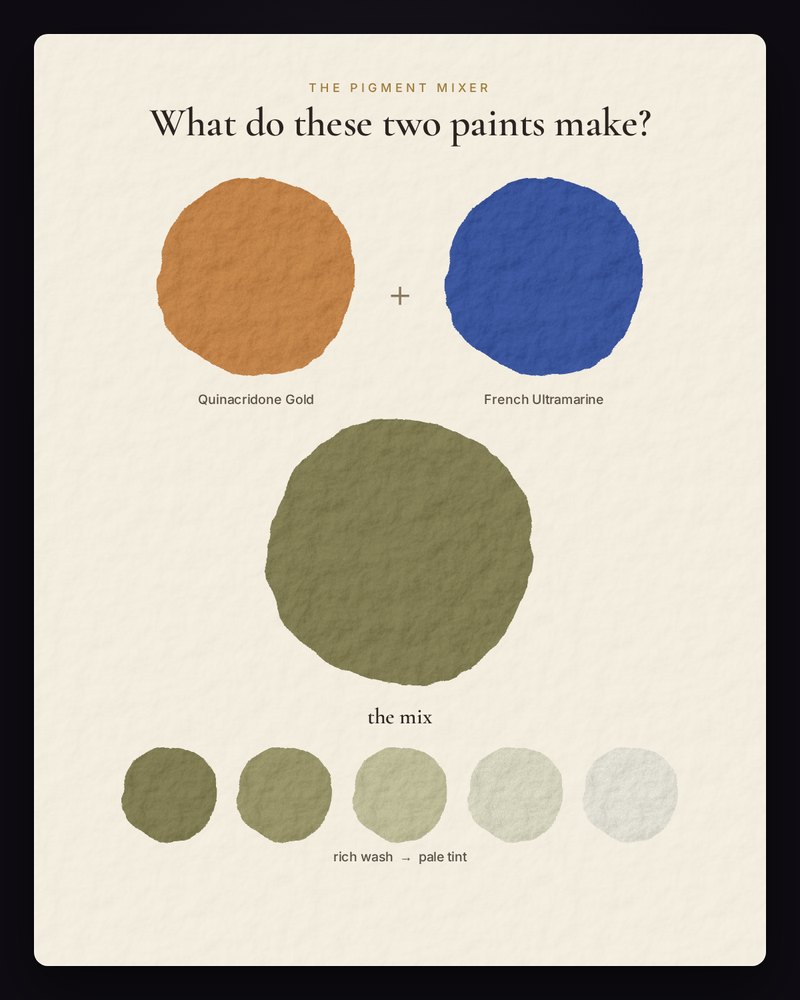
What do these paints make? Mix two or three real watercolours from Daniel Smith, Winsor & Newton, Mission Gold, Da Vinci, Holbein or the common colours, with water, ratios and glazes.
 GoldBrush Chroma
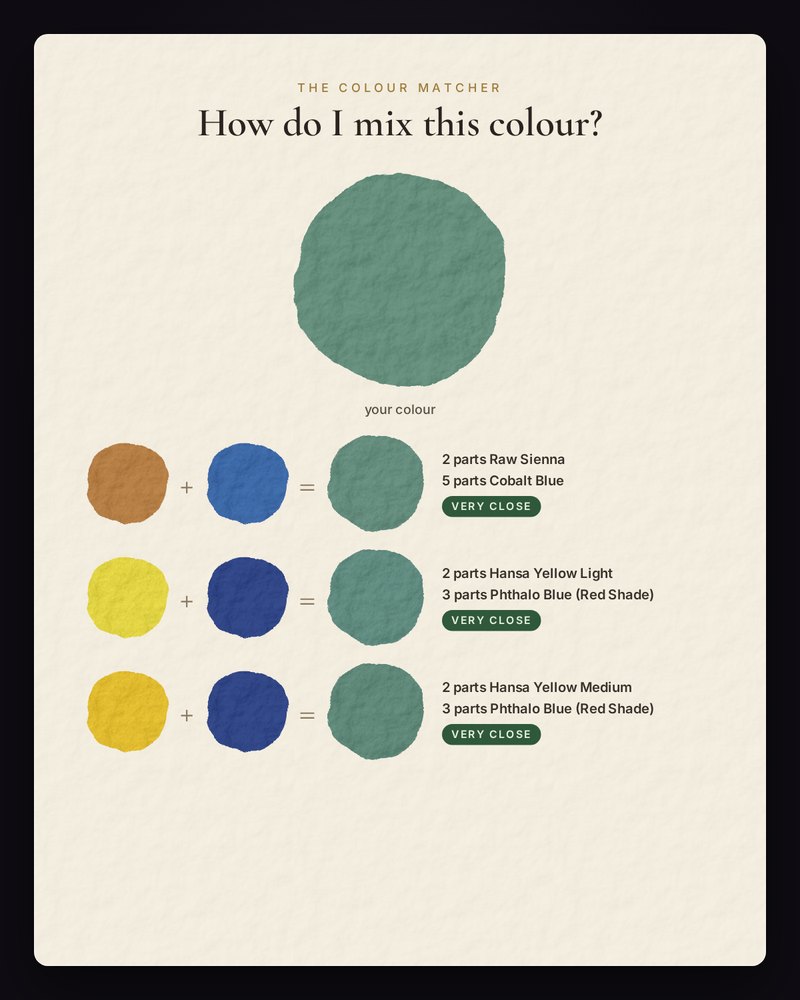
How do I mix this colour? Tap it in a photo and get two- and three-paint recipes: which tubes, how much of each, and how much water.
 GoldBrush Hue
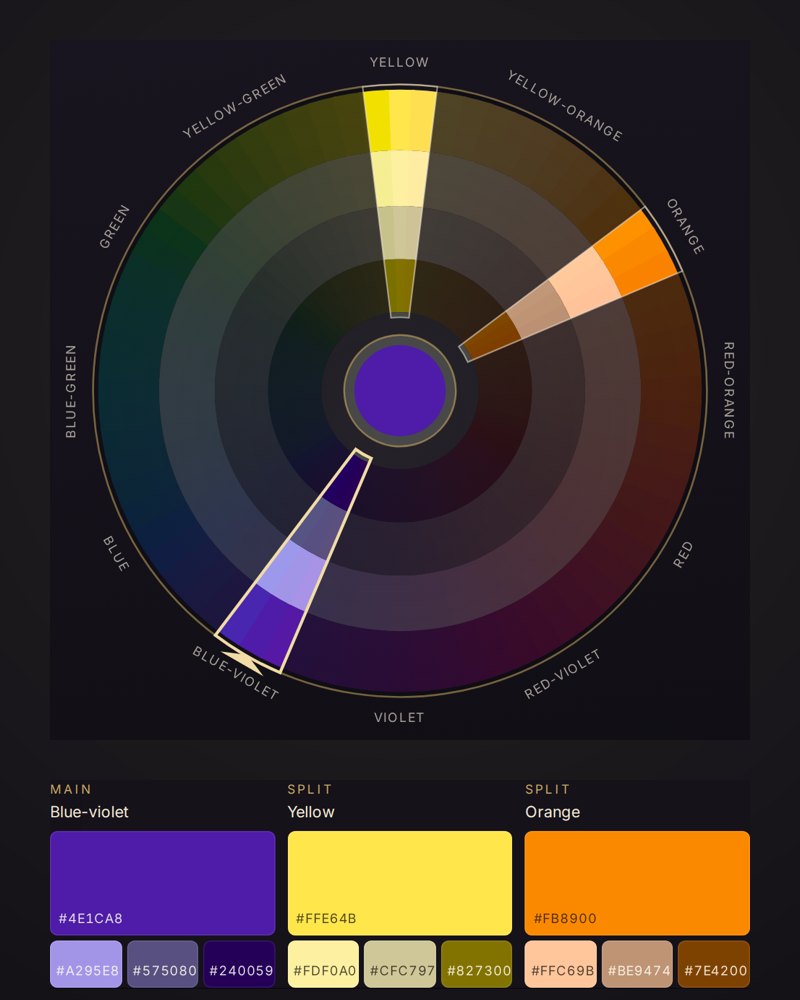
Which colours belong together? Turn the harmony filter over a painter's wheel for complementary, analogous, triadic and tetradic palettes, with value, chroma and the tubes to paint them.
 GoldBrush Prism
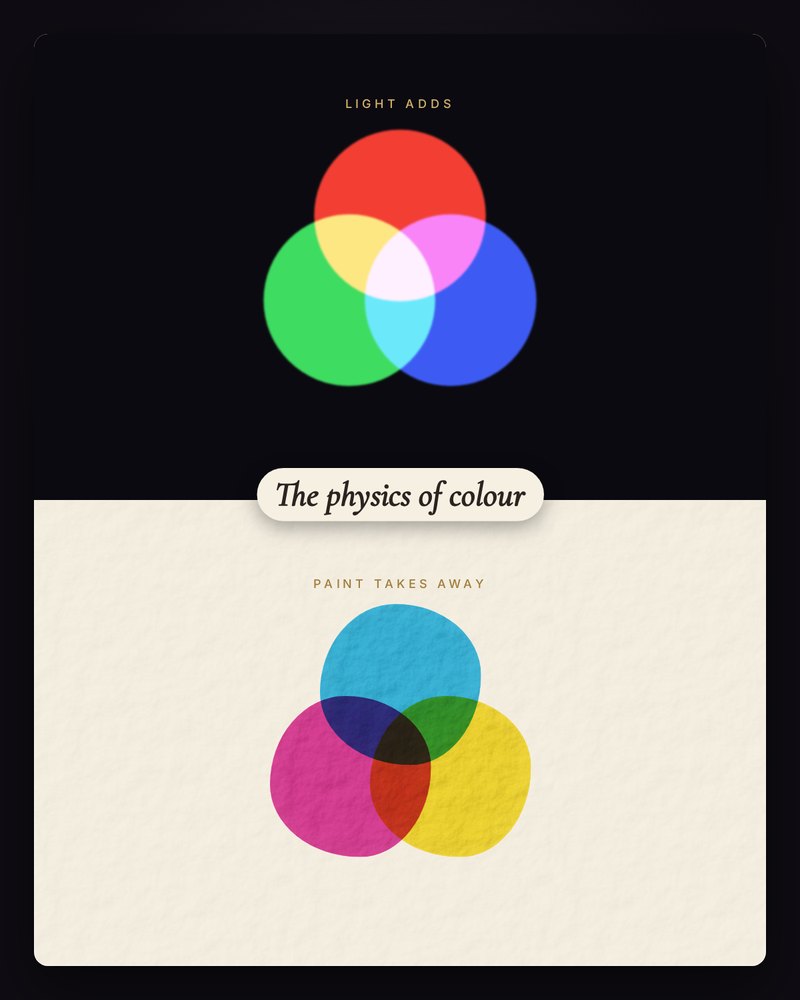
The mosh pit and the sandwich: why a mixed wash darkens and a glaze glows, with live reflectance curves and the Kubelka–Munk model for the curious.
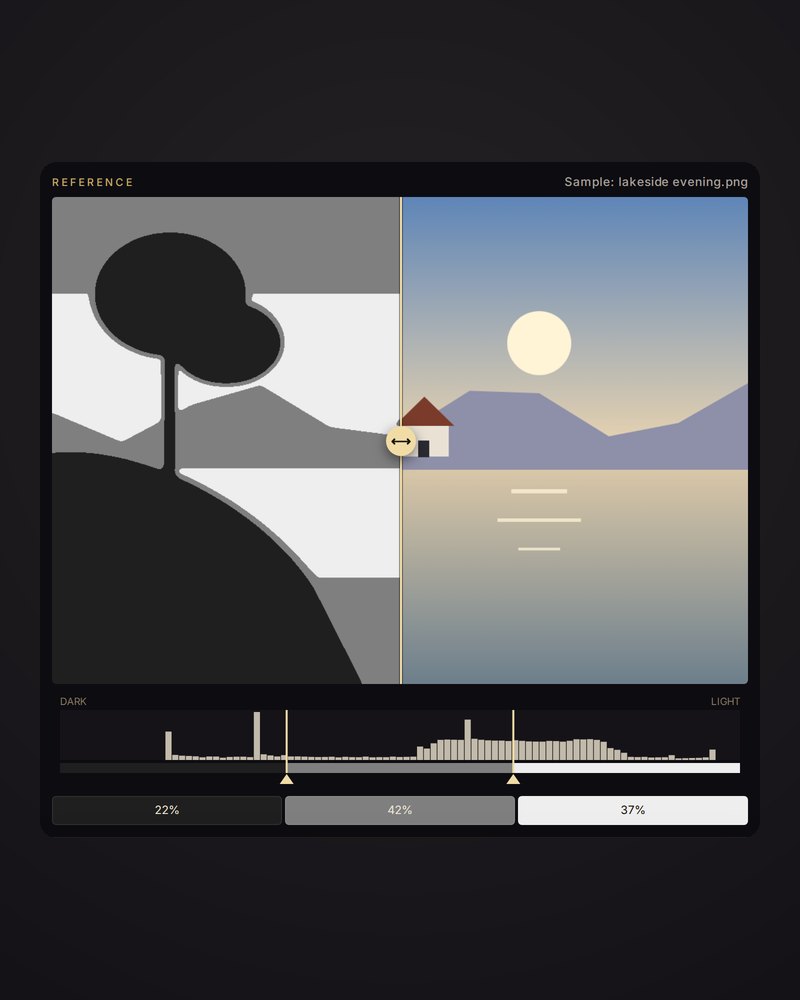
Seeing light and dark before colour: the big shapes that hold a painting together.
Where your eye stands decides every line in the drawing.
 GoldBrush Horizon
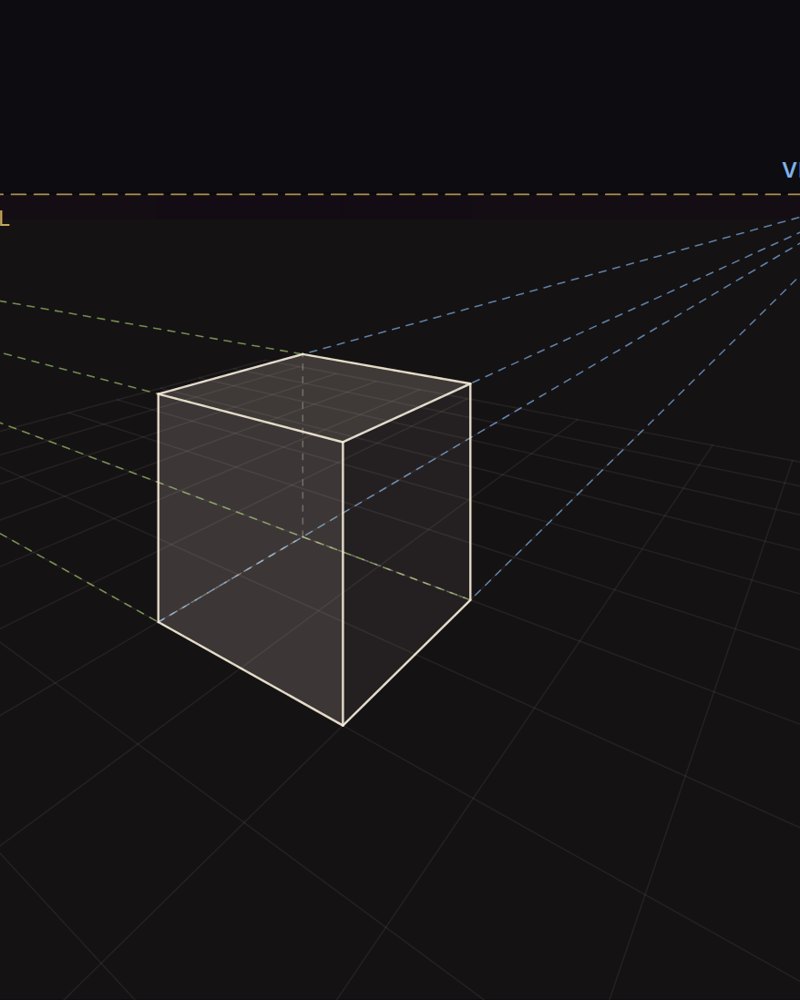
One-, two- and three-point perspective: move your eye level, turn and tilt, and watch the lines run home to their vanishing points.
 GoldBrush Lens
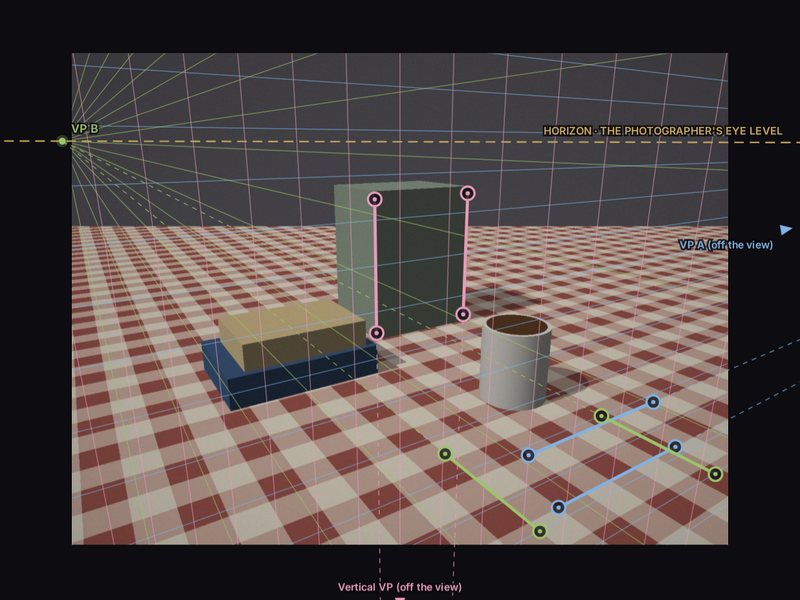
Trace two edges in your own reference photo to find its vanishing points, its horizon and the tilt of the camera, then grid it for your paper.
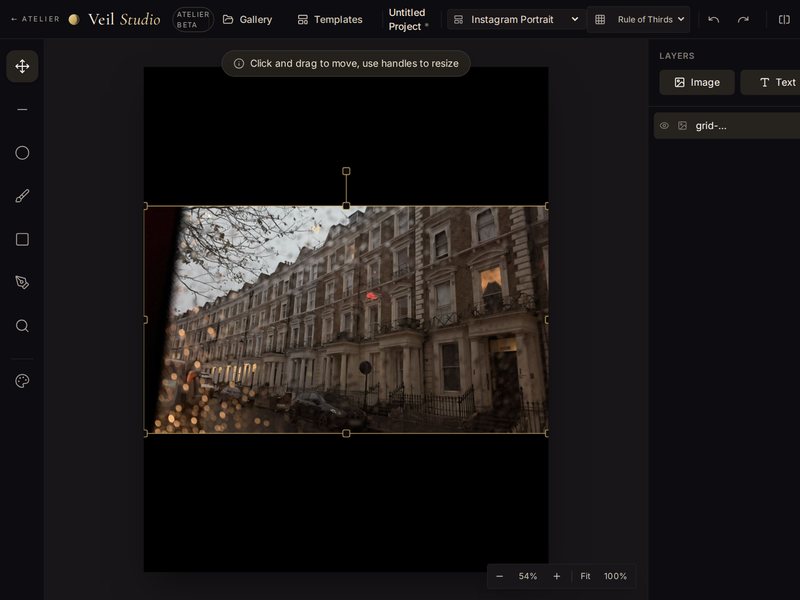
 GoldBrush Veil
Compose your own reference: layer, fade and study photographs together, lift the subject from its background, and check values, without learning Photoshop.
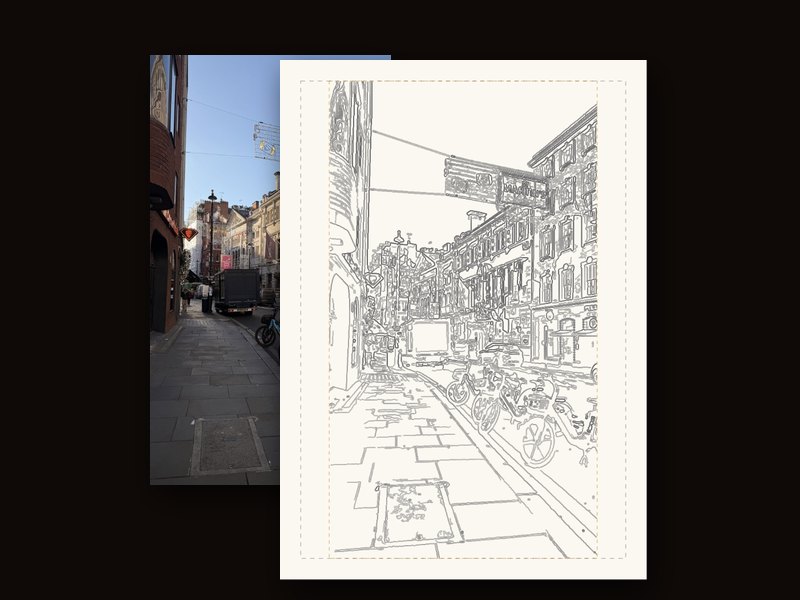
 GoldBrush Trace
Turn a reference into a light pencil outline, placed where you want it on your own paper size, from a whisper of 2H to a bold 6B. Print at true size and trace.
A handbook to read slowly, away from the easel, a book of references to paint from, a book of strategies to grow by, and a critique to bring back to it.
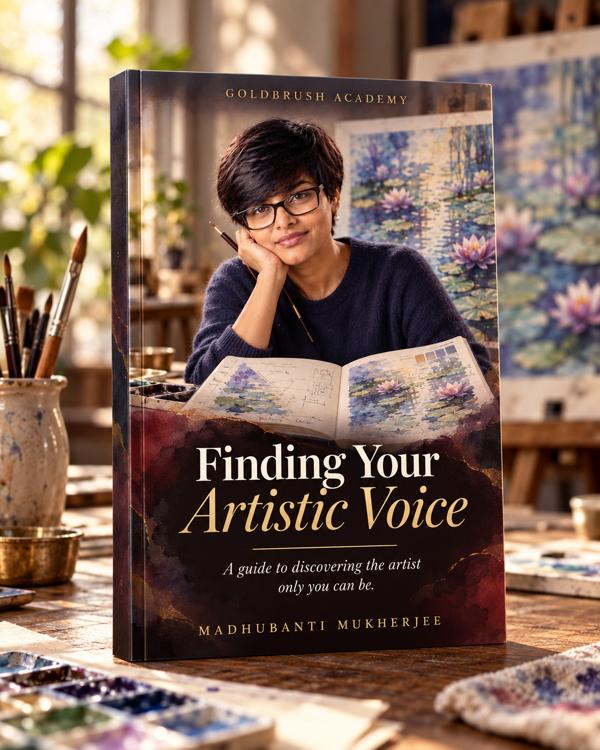
 GoldBrush Voice
Finding Your Artistic Voice. From good paintings to a body of work, with a signature style and a voice that is unmistakably yours.
 GoldBrush Atlas
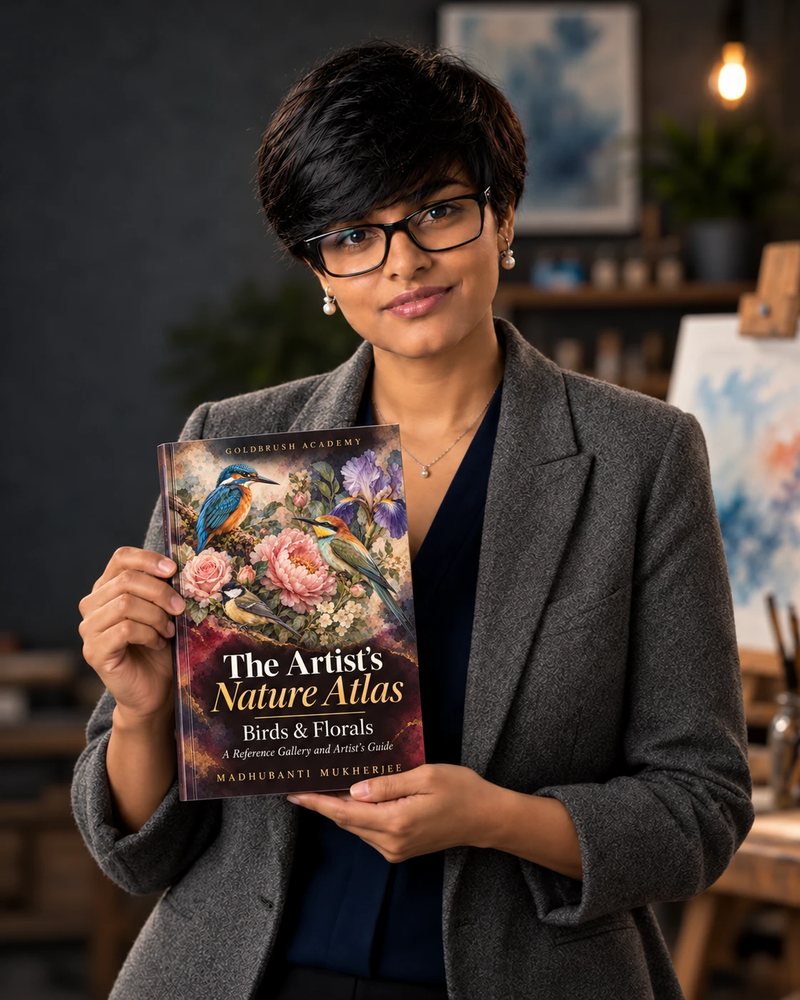
The Artist's Nature Atlas. Fifty birds and florals chosen to be painted, each with a line drawing, notan and value studies, a mixed palette and a five-step approach. Comes with Artessa; have a code? Open the book.
 The Paper Is the Light
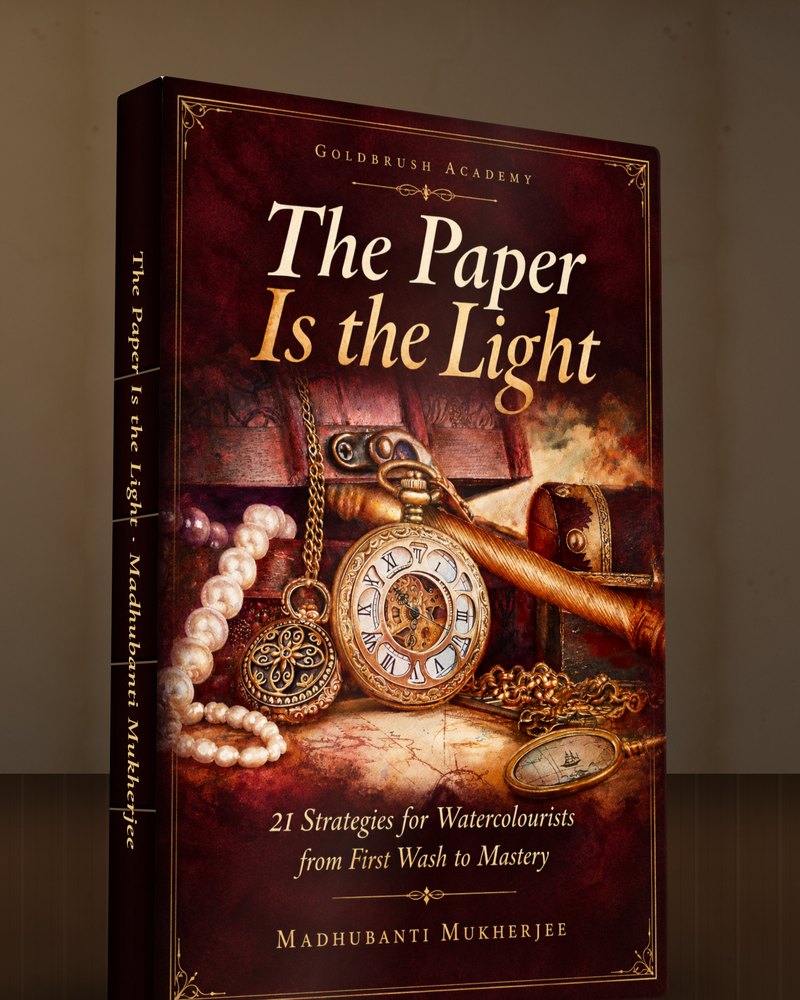
21 strategies from first wash to mastery. Each in three layers, foundation, refinement and mastery, with living paintings, lessons from the masters and studio exercises. Comes with Artessa; have a code? Open the book.
 GoldBrush Fresh Eye
A considered second look at one photograph of your watercolour: what is working, what to try next, and a visual study of the change.
Tools we are building now, for value, drawing and perspective.
Your reference in greyscale beside a value scale, to find the darkest dark and the lightest light.
New tools join the atelier every few weeks. Sign up with the handbook to hear when they open.